
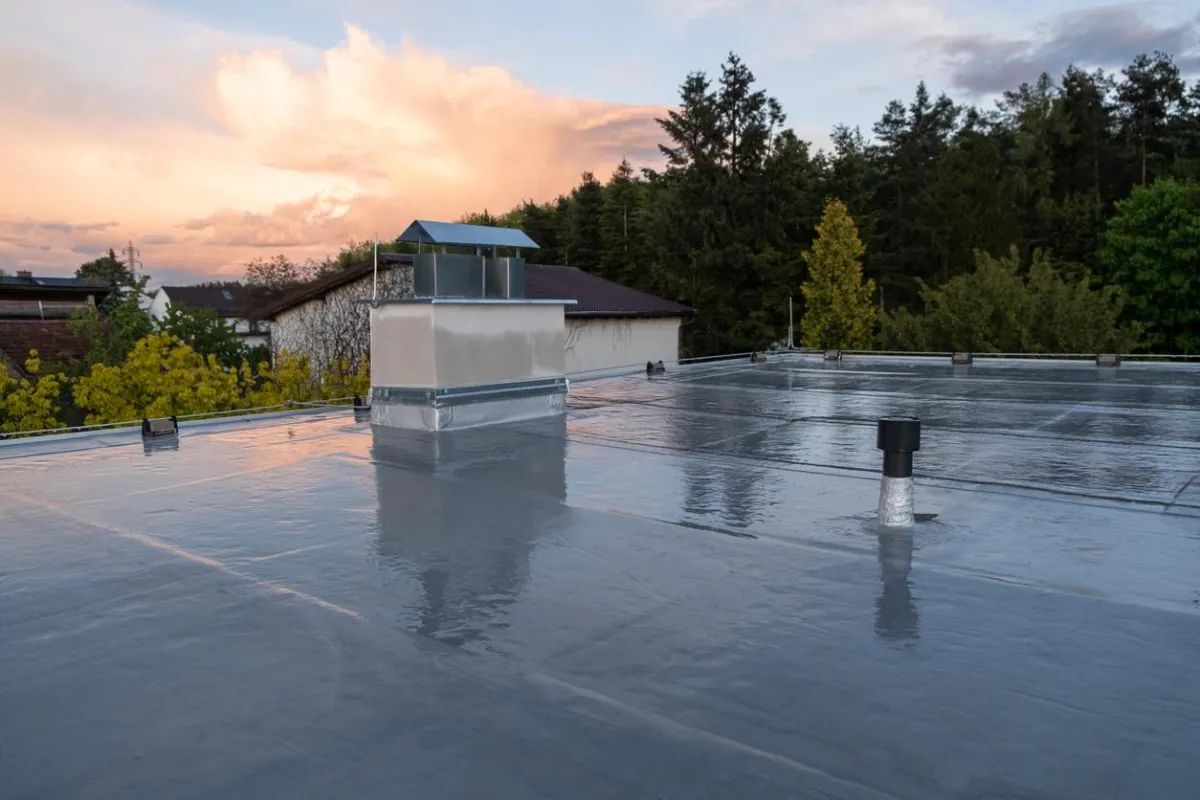
Green Roofing Systems for Commercial Buildings in San Diego, California & Surrounding Areas
Commercial buildings in San Diego, CA, and nearby cities such as Chula Vista, Oceanside, Escondido, Carlsbad, El Cajon, Vista, Encinitas, and Poway rely on sustainable and high-performing green roofing systems to support long-term efficiency. The region’s strong sunlight, mild climate, and occasional coastal moisture make proper maintenance essential for maximizing the benefits of eco-friendly roof designs. Regular inspections and care help extend roof lifespan, improve energy performance, and support environmental goals across Southern California’s growing commercial sectors.
Why Are Green Roofing Systems Important for Commercial Buildings in San Diego?
San Diego’s warm climate, strong sunlight, and coastal moisture can affect roof performance. Green roofing systems help reduce heat absorption, improve energy efficiency, and enhance stormwater management. Businesses in Carlsbad, Escondido, and Chula Vista benefit from sustainability, lower utility costs, and increased roof longevity.
How Often Should Green Roofs Be Inspected?
Green roofs should be inspected at least twice per year to check vegetation health, drainage flow, and membrane protection. Facilities in Oceanside, Vista, and El Cajon typically schedule inspections before summer and winter to ensure optimal performance during seasonal temperature changes.
What Common Issues Affect Green Roofing Systems in San Diego?
Commercial green roofs may face challenges like clogged drains, plant dehydration, root intrusion, soil erosion, and UV wear. Coastal locations such as Encinitas and Oceanside may also experience salt exposure, which can affect plant species and roof components.
How Can Businesses Extend the Life of Their Green Roofing Systems?
Proper irrigation, regular trimming, debris removal, and timely repairs are essential. Buildings in Poway, Chula Vista, and Escondido often schedule professional maintenance to improve plant health and protect waterproofing materials, allowing green roofs to last for decades.
What Role Does Irrigation Play in Green Roof Performance?
Irrigation is crucial in San Diego’s sunny climate. Efficient drip systems maintain plant health while preventing overwatering. When combined with drought-tolerant plants and smart controllers, green roofs can maintain year-round performance with minimal water use.
Which Green Roofing Materials Work Best for Commercial Buildings in San Diego?
Lightweight soil blends, root-resistant waterproof membranes, drainage mats, and modular tray systems are commonly used. San Diego properties often choose drought-tolerant succulents, native grasses, and hardy coastal plants that thrive in heat and sun exposure.
How Do Green Roofs Improve Energy Efficiency for Commercial Properties?
Green roofs naturally reduce roof surface temperatures, insulating buildings against heat. This lowers HVAC usage and can decrease energy consumption by up to 25–30%. Businesses in Carlsbad, Poway, and San Diego benefit from improved indoor comfort and reduced cooling costs.
Why Should Businesses Hire Certified Green Roofing Professionals?
Certified contractors ensure proper installation of waterproofing layers, drainage systems, and vegetation layouts. San Diego specialists follow California energy codes and environmental standards, ensuring long-lasting performance and warranty protection.
How Does Preventive Maintenance Protect Commercial Roof Investments?
Routine inspections and minor repairs prevent leaks, plant damage, and waterproofing issues. Businesses in Chula Vista, Escondido, and San Diego that invest in preventive care experience fewer emergencies, lower repair costs, and longer-lasting green roofing systems.
Final Thought
For commercial buildings across San Diego and surrounding areas, green roofing systems offer long-term environmental and financial benefits. Whether using extensive, intensive, or modular green roof designs, partnering with skilled San Diego roofing experts ensures superior performance and lasting protection in California’s climate.
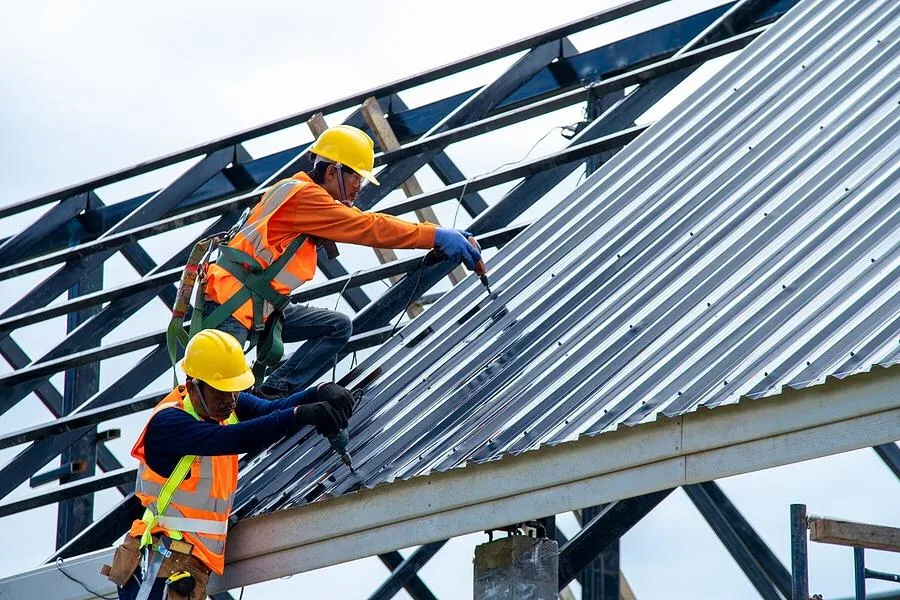
Are green roofs suitable for flat commercial roofs in San Diego?
Yes. Most commercial green roof systems are designed for flat or low-slope roofs commonly found in San Diego. With proper waterproofing, drainage layers, and lightweight soil, green roofs perform exceptionally well on commercial buildings throughout the region.
What type of plants work best for green roofs in Southern California?
Drought-tolerant plants such as sedums, succulents, native grasses, and hardy coastal species are ideal. These plants thrive in San Diego’s sunny climate and require minimal water and maintenance.
Do green roofs help control stormwater in urban areas?
Absolutely. Green roofs absorb and slow down rainwater, reducing runoff and helping San Diego businesses meet local stormwater management requirements. This is especially helpful during sudden seasonal rains.
How long does a commercial green roof typically last?
With proper maintenance, a green roof can last 30–50 years. The vegetation protects the waterproofing membrane from UV exposure, significantly extending the roof’s lifespan compared to conventional systems.
Does a green roof increase the weight load on a building?
Green roofs add weight due to soil, plants, and moisture. Before installation, contractors perform structural assessments to ensure the building can safely support the system. Lightweight green roof designs are available for most commercial structures.
Contact Us
Terms & Conditions
Privacy Policy