
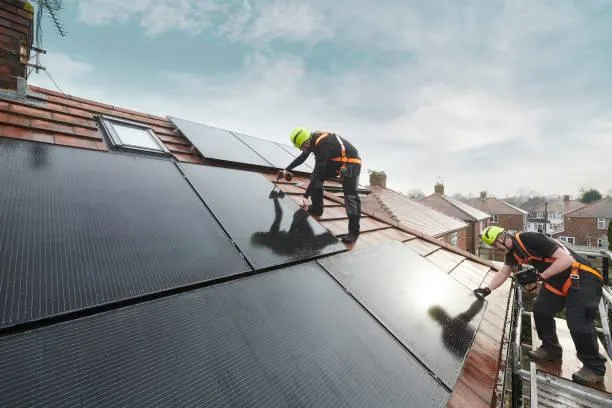
Residential Roof Installation in San Diego, Los Angeles & Surrounding Areas
Installing a new roof is one of the most important investments for homeowners across San Diego, Los Angeles, and nearby California communities. A professionally installed roof not only enhances curb appeal but also ensures long-term protection against coastal weather, strong sunlight, and seasonal rains. Understanding how residential roof installation works helps homeowners make informed decisions when choosing materials, contractors, and maintenance plans.
What Are the Key Steps in a Residential Roof Installation?
The roof installation process typically begins with a detailed inspection of the existing structure. Contractors assess the roof deck for damage, remove old materials, and prepare the surface for new underlayment and shingles or tiles. Each layer—decking, underlayment, and roofing material—is installed carefully to ensure weather resistance and durability.
How Does the Climate in San Diego and Los Angeles Affect Roofing Choices?
Both San Diego and Los Angeles experience coastal influences with warm temperatures, high humidity, and salt exposure near the shore. These conditions can cause materials like asphalt shingles or metal to wear down faster if not properly maintained. Homeowners in these regions often choose energy-efficient and UV-resistant materials to handle the strong California sun while maintaining cooler indoor temperatures.
Which Roofing Materials Are Best for California Homes?
Popular materials for Southern California roofs include asphalt shingles, clay tiles, concrete tiles, and metal roofing. Asphalt shingles are affordable and easy to install, while clay and concrete tiles provide durability and a classic Spanish-style look popular in Los Angeles and San Diego neighborhoods. Metal roofing, known for its longevity and energy efficiency, is ideal for modern or coastal-style homes.
How Do Contractors Ensure Proper Roof Ventilation and Insulation?
Proper ventilation and insulation are essential to extend roof life and improve energy efficiency. During installation, contractors add ridge vents, soffit vents, and attic insulation to regulate temperature and prevent moisture buildup. This step helps reduce energy bills and prevents mold, rot, or warping in humid coastal conditions.
What Permits and Codes Apply to Roof Installation in San Diego and Los Angeles?
Both San Diego County and Los Angeles County have strict building codes for roofing projects. Homeowners must obtain permits before installation begins, ensuring the project meets local safety and energy standards. Licensed contractors are familiar with these regulations, guaranteeing compliance and avoiding potential fines or delays.
How Long Does Residential Roof Installation Take?
Installation timelines vary depending on roof size, material, and weather. Most standard residential roofs take between two to five days to complete. Tile or metal systems may require additional time for precision work. Contractors in San Diego and Los Angeles often plan installations around dry weather conditions to ensure proper sealing and curing.
What Are Common Mistakes to Avoid During Roof Installation?
Choosing unlicensed contractors or cutting costs on materials are two major mistakes homeowners should avoid. Poor installation can lead to leaks, ventilation issues, and early roof failure. Working with certified professionals in San Diego, Los Angeles, and surrounding areas ensures that materials are installed correctly and warranties remain valid.
How Much Does a New Roof Installation Cost in Southern California?
The cost of roof installation depends on factors such as material type, roof pitch, and accessibility. On average, residential roof installation in San Diego and Los Angeles ranges from moderate to high based on the chosen material. Tile and metal roofs cost more upfront but offer longer lifespans, making them excellent long-term investments.
Why Should You Hire Local Roofing Experts?
Local contractors understand the region’s climate, regulations, and building styles. Hiring roofing experts from San Diego, Los Angeles, or nearby towns like Chula Vista, Long Beach, and Pasadena ensures faster service, better material recommendations, and reliable after-installation support. Local knowledge helps tailor the roofing system to the specific environment and architectural design of your home.
Final Thought
Residential roof installation in San Diego, Los Angeles, and surrounding Southern California areas requires skilled workmanship, the right materials, and attention to local weather patterns. By choosing experienced contractors and durable roofing systems, homeowners can ensure long-lasting protection, energy efficiency, and lasting beauty for their properties.
How long does a new residential roof last in San Diego or Los Angeles?
Most roofs last 20–50 years depending on the material and maintenance. Tile and metal systems last longer than asphalt shingles.
Do I need a permit for roof installation in Los Angeles or San Diego?
Yes. Both cities require roofing permits to ensure compliance with local safety and building codes. Your contractor typically handles this process.
What’s the best time of year to install a roof in Southern California?
The dry months from late spring through early fall are ideal for roof installations since rainfall is minimal and weather conditions are stable.
Can roof installation increase my home’s energy efficiency?
Yes. Installing cool roofs, reflective metal, or light-colored tiles can reduce heat absorption and lower your home’s cooling costs.
How do I choose the best roofing contractor in my area?
Look for licensed and insured contractors with strong local experience, positive reviews, and clear warranties on both labor and materials.
Contact Us
Terms & Conditions
Privacy Policy