
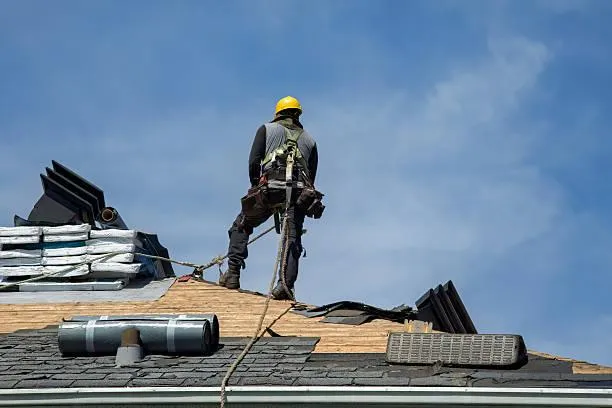
San Diego Commercial Roofing Regulations Unveiled: Insights for Businesses in San Diego & Surrounding Areas
Commercial roofing across San Diego, CA, and nearby areas like Carlsbad, Oceanside, Escondido, Vista, Encinitas, and San Marcos must meet strict California codes while withstanding the region’s unique weather conditions. From coastal humidity to inland heat, property owners face specific challenges that influence material selection, installation methods, and energy compliance. Understanding these factors is crucial for long-lasting, efficient roofing systems that protect your business and meet state standards.
What Makes San Diego’s Climate a Challenge for Commercial Roofing?
San Diego’s climate is both beautiful and demanding. With constant sunshine, salty coastal air, and seasonal rain, roofs are exposed to corrosion, UV damage, and heat stress. Commercial roofers in Oceanside, Carlsbad, and Encinitas recommend high-quality materials that resist salt exposure and reflect heat, ensuring reliable protection and comfort throughout the year.
Which Roofing Materials Work Best for Businesses in San Diego?
Across Escondido, Vista, and San Marcos, businesses rely on durable materials such as TPO, PVC, EPDM, and metal roofing. These systems are designed for energy efficiency, low maintenance, and long-term durability, all while meeting California’s Title 24 energy standards. Their reflective properties help reduce cooling costs and enhance building performance.
How Do Local Building Codes Affect Roofing Choices?
San Diego County follows strict guidelines aligned with state regulations like Title 24 and the Cool Roof Rating Council (CRRC) standards. Roofs must meet energy and safety codes to ensure environmental responsibility. Working with licensed contractors helps property owners stay compliant and avoid costly rework or fines.
Why Are Cool Roofs Becoming So Popular in San Diego?
Cool roofing systems use reflective coatings to deflect heat and reduce cooling demands. Businesses in Carlsbad, Vista, and Oceanside are adopting these technologies to maintain comfortable interiors and lower utility bills. Many local programs even offer rebates for upgrading to energy-efficient cool roofs, making them a smart financial choice.
What Are the Advantages of Metal Roofing for Commercial Buildings?
Metal roofing is widely used across Encinitas, San Marcos, and Oceanside for its exceptional lifespan, recyclability, and energy performance. It resists corrosion, handles temperature extremes, and complements solar energy systems. This makes it ideal for companies that prioritize both sustainability and long-term value.
How Important Is Proper Insulation in Commercial Roofs?
Insulation is essential for regulating indoor temperatures and enhancing energy efficiency. Roofing experts in Escondido and Vista recommend pairing insulation with reflective membranes to prevent heat transfer. This combination reduces strain on HVAC systems and helps meet California’s energy efficiency goals.
How Do Licensed Roofers Ensure Compliance and Quality Workmanship?
Licensed contractors in San Diego, Carlsbad, and Encinitas follow strict building and safety standards. They use low-VOC materials, eco-friendly adhesives, and approved installation practices to maintain code compliance. Hiring certified professionals ensures warranty protection and consistent, long-lasting results.
How Can Routine Maintenance Extend the Life of a Commercial Roof?
Regular inspections and upkeep can add years to your roof’s lifespan. Business owners in San Marcos, Oceanside, and Escondido should schedule biannual inspections, remove debris, and address small repairs before they become costly. Preventive care ensures performance, preserves warranties, and saves on long-term expenses.
Final Thought
For property owners in San Diego and nearby cities such as Carlsbad, Escondido, Vista, Encinitas, Oceanside, and San Marcos, understanding commercial roofing regulations and climate challenges is key to long-term success. By choosing the right materials, working with licensed professionals, and maintaining your roof regularly, you can ensure compliance, efficiency, and lasting protection for your investment.
How often should commercial roofs in San Diego be inspected?
Inspections should be performed twice a year, ideally before summer and after the rainy season, to identify potential damage and maintain warranty coverage.
Are cool roofs required in San Diego County?
While not mandatory for all properties, cool roofs are highly encouraged under California’s Title 24 due to their proven energy-saving and environmental benefits.
What is the most durable roofing option for industrial facilities?
Metal and single-ply membranes such as TPO and PVC are the most durable, offering excellent weather resistance and minimal maintenance requirements.
Do businesses get rebates for installing cool roofs?
Yes, many San Diego utility programs provide financial incentives or tax credits for installing cool roof materials that meet CRRC efficiency standards.
Can an old commercial roof be upgraded to meet new energy codes?
Absolutely. Existing roofs can be restored with reflective coatings or overlay systems, helping them comply with modern codes without full replacement.
Contact Us
Terms & Conditions
Privacy Policy