
Roofing Material Options for San Diego, California & Surrounding Areas
Homeowners in San Diego, California, and nearby areas like La Jolla, Chula Vista, Escondido, Poway, Oceanside, and Carlsbad face unique roofing challenges due to the region’s coastal climate. The combination of salt air, intense sunlight, and seasonal humidity makes choosing the right roofing material essential for long-term protection, aesthetics, and value. Understanding how each roofing option performs under local conditions can help homeowners make smart, lasting investments in their property.
How Does San Diego’s Coastal Climate Impact Roofing Materials?
San Diego’s proximity to the Pacific Ocean means roofs are regularly exposed to salt-laden air, moisture, and strong UV radiation. These natural elements accelerate corrosion, fading, and general wear on most roofing materials. Because of these factors, homeowners are encouraged to invest in durable, weather-resistant materials such as clay tiles, metal roofing, or high-quality asphalt shingles that can endure the harsh marine climate and preserve the home’s beauty and structure over time.
What Are the Most Popular Roofing Materials for Homes in San Diego?
San Diego homeowners and residents in surrounding towns prefer several roofing materials that offer both performance and style. Clay and concrete tiles are among the top choices for their timeless Mediterranean look and exceptional resistance to salt and sunlight, making them ideal for coastal neighborhoods like La Jolla and Coronado. Asphalt shingles are another popular choice for their affordability and versatility, fitting well in suburban areas such as Poway and Escondido. Metal roofing, known for its longevity and reflective properties, is often seen in coastal cities like Oceanside and Carlsbad. Meanwhile, flat roof membranes such as TPO, PVC, or EPDM are favored for modern homes and commercial buildings in Chula Vista and Downtown San Diego.
Which Roofing Material Lasts the Longest in San Diego’s Weather?
The longevity of roofing materials depends on installation quality, maintenance, and environmental exposure. Clay and concrete tiles can last 50 years or more, offering long-term protection against heat and salt air. Metal roofs are another durable option, with lifespans ranging between 40 and 60 years when properly maintained. Asphalt shingles, while more affordable, usually last around 20 to 30 years; however, newer UV-resistant and high-performance variants can extend their durability significantly under San Diego’s sunny conditions.
How Does Salt Air Affect Different Roofing Materials?
The salty ocean air in coastal communities like Oceanside and La Jolla can corrode metal and weaken roofing materials over time. To combat these effects, homeowners should consider corrosion-resistant options such as coated or galvanized metal roofs, non-corrosive fasteners, and moisture-resistant underlayment. These preventative measures help protect the roof’s structure and appearance while extending its overall life expectancy in the region’s humid, salty atmosphere.
What Are the Maintenance Needs for Different Roof Types?
Regular maintenance plays a key role in protecting roofs from San Diego’s climate-related wear. Tile roofs should be inspected for cracked or broken tiles and checked for underlayment deterioration. Shingle roofs require routine cleaning to remove debris and ensure that all shingles are intact and properly sealed. Metal roofs benefit from occasional washing to remove salt deposits and resealing of seams to prevent leaks. Flat roofs need to be cleared of standing water and inspected for punctures or cracks in the membrane. Homeowners in areas like Chula Vista, Poway, and Escondido are encouraged to schedule professional inspections annually, especially after heat waves or coastal storms.
What Role Does Energy Efficiency Play in San Diego Roofing Choices?
Given San Diego’s year-round sunshine, energy efficiency has become a key factor in roofing decisions. Reflective metal roofing, cool roof coatings, and light-colored tile materials help reduce heat absorption and lower cooling costs during warm months. These roofing systems are especially valuable in inland regions such as Poway and Escondido, where temperatures can climb significantly higher than along the coast. Homeowners who prioritize energy efficiency not only save on utility bills but also contribute to a more sustainable environment.
How Can Homeowners Choose the Right Roofing Contractor?
Selecting the right roofing professional is just as critical as selecting the right roofing material. Homeowners in San Diego and nearby areas should always verify that contractors hold a valid California C-39 roofing license, along with insurance for liability and workers’ compensation. Experience with both coastal and inland roofing conditions is essential, as is a strong record of customer satisfaction and transparent warranty coverage. Working with an experienced and reputable roofing contractor ensures the job is completed safely, efficiently, and according to local building codes.
What Factors Should Homeowners Consider Before Replacing Their Roof?
Before committing to a roof replacement, homeowners should evaluate several key factors including roof age, visible wear, water leaks, and energy efficiency. It’s also important to consider how the local environment—such as coastal salt exposure or inland heat—affects different materials. Consulting with a professional roofer familiar with San Diego County’s climate can help identify whether minor repairs or a complete replacement offer the best long-term value.
Final Thought
For homeowners across San Diego, La Jolla, Chula Vista, Escondido, Poway, Oceanside, and nearby communities, understanding how climate, material type, and maintenance affect roof performance is essential. Investing in high-quality, weather-resistant roofing materials and choosing licensed, experienced contractors can protect your property for decades. By staying proactive with inspections and selecting the right roofing solution for your location, you can enhance your home’s durability, energy efficiency, and long-term value under Southern California’s beautiful yet demanding coastal conditions.
What is the best roofing material for coastal homes in San Diego?
Clay tiles and metal roofs are the best choices for coastal homes because they resist salt corrosion and sun damage, offering both durability and timeless beauty.
How much does a new roof cost in San Diego?
The cost of a new roof typically ranges between $8,000 and $25,000, depending on size, material type, roof pitch, and labor. Tile roofs tend to be more expensive than shingles but offer longer life spans.
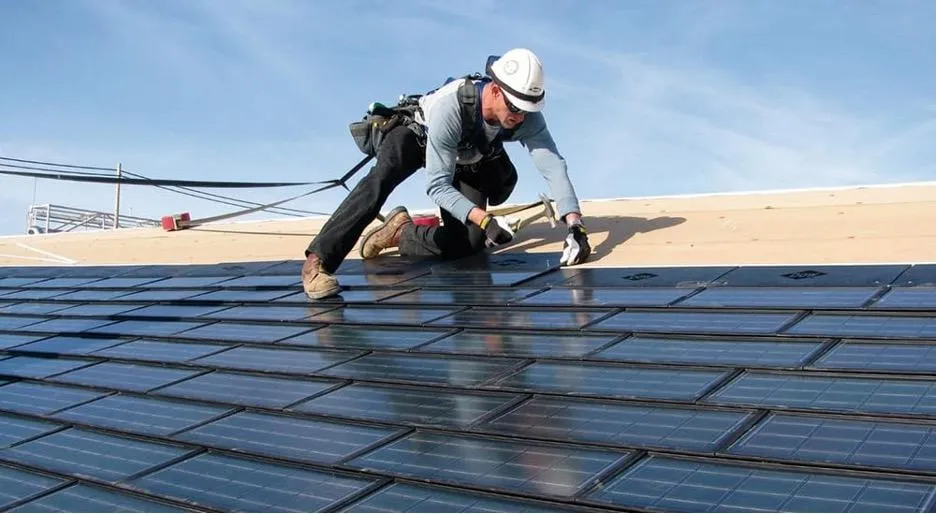
Can I install solar panels on any type of roof?
Yes, solar panels can be installed on most roofing types, including shingles, metal, and tile. However, proper mounting and sealing are essential to prevent leaks and maintain roof integrity.
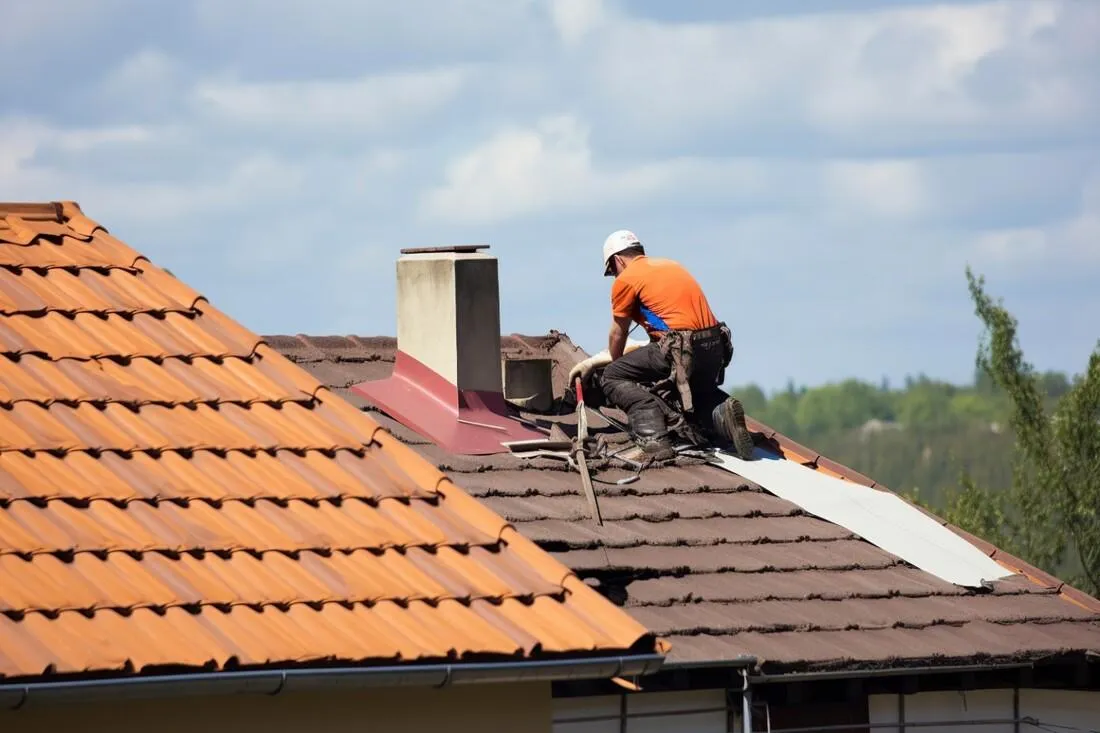
How long does a typical roof replacement take in San Diego?
Most residential roof replacements take two to five days, depending on weather conditions, roof size, and material type. Larger or more complex projects may require additional time.
Do roofing contractors in San Diego offer warranties?
Reputable contractors provide both manufacturer warranties for materials and workmanship warranties for installation. Always confirm the terms and coverage period before beginning the project.
Contact Us
Terms & Conditions
Privacy Policy